Resources · Sellers
Selling Your Home in Calgary: A Straightforward Guide
Selling a home in Calgary comes down to five things: pricing it against real comparables, preparing it, marketing it, negotiating the offer, and closing.
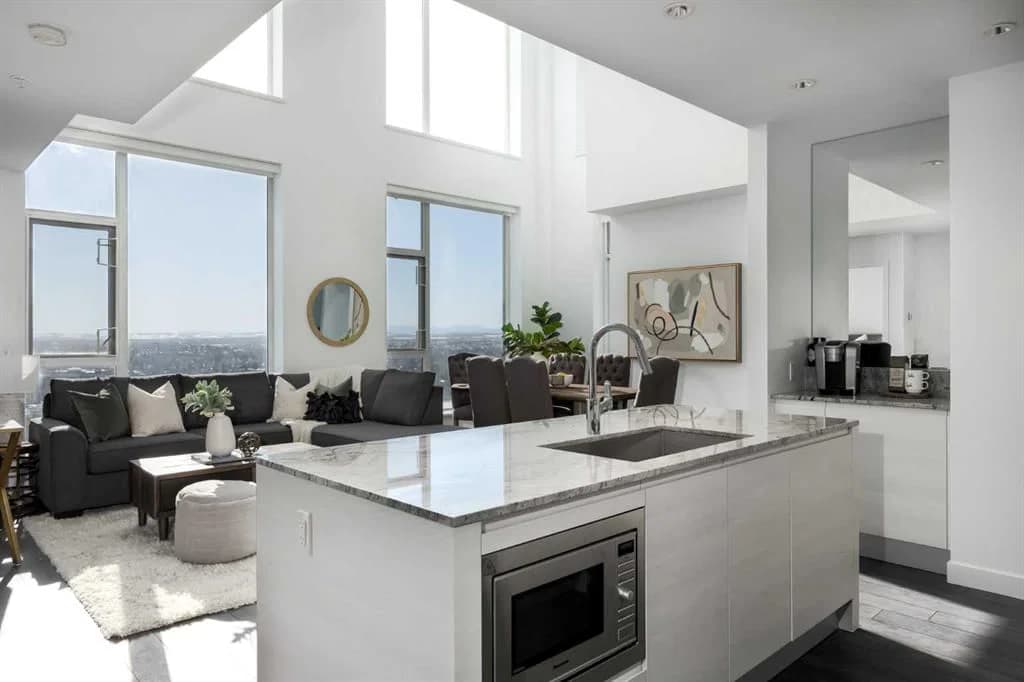
If you're thinking about selling, you probably have a lot of questions. What's my place actually worth? What do I need to fix first? What's this “RMS” number on every listing, and why doesn't it match what the builder told me? This guide is here to help you, from your preparation to your next steps.
 Jerry ThaiREALTOR® · MaxWell Capital RealtyLast reviewed: July 17, 2026
How pricing actually works
Pricing a home comes with various factors: comparable sales, your competition, and a bit of judgment. Comparables are homes similar to yours in size, condition, location, and age that have sold recently. I pull the comparables, analyze your property, and develop a price range from market activity in your neighbourhood instead of a citywide average that may not apply to your street.
A home that is priced correctly to reflect the market tends to generate more showings and offers while the listing is still fresh. A home priced above what the comparables support usually sits, and sitting has its own cost. Buyers and their agents look at how long a listing has been active, and a house that sits a long time on the market can become a signal that something's off, even if the home is fine. That perception can be hard to undo without a price correction, and by then you've often lost the momentum of a fresh listing.
Overpricing isn't a neutral choice you can “try and see.”
It has a real cost in exposure, buyer perception, and negotiating position. I am here to show you the comparables and explain the reasoning behind them. You should understand why we're pricing what we're pricing, because you are the one living with the outcome.
Every seller's home is different, as is their situation. Your timeline, must-haves, or personal situation will play into how pricing and offers are negotiated. Those are specifics I would talk over with you when you're ready. In the meantime, have a look at what's currently on the market in your area, and how your home might sit alongside it, by browsing current listings or looking up your community page.
Preparing the home
First impressions matter, and buyers decide how they feel about a home within the first few minutes. Does it match their expectations from the online listing and the photos? The key is preparation: removing the small distractions from the buyer's view so the home can do the talking.
The easy wins are straightforward: decluttering, a thorough cleaning, and fixing the small items that catch attention out of proportion to their cost. Things like a dirty countertop, small holes in the wall, and a non-working lamp quickly weigh on the buyer's mind. Other preparations are specific to the home: whether a room shows better empty or lightly staged, whether a paint colour enhances the room or works against it, and what to do about a basement that's functional but dated. I'll walk through your home and give you a specific list of what's worth doing, what isn't, and roughly the order to tackle it in.
How your home is measured (RMS)
Most Calgary listings show a square footage figure. When a licensee states a square footage on a listing, RECA requires it to be measured under the Residential Measurement Standard, or RMS. If size is stated, RMS is how.
For a detached home, RMS measures from the exterior wall at foundation level. Semi-detached and townhouse homes are measured the same way (from the exterior wall at foundation level), and if the thickness of the shared wall between units can't be determined, the licensee uses the thickness of an exterior wall instead. For an apartment-style condo, it's measured paint-to-paint, wall to wall, on the interior.
Before we list, I'll show you what your RMS figure includes and doesn't, so there are no surprises when a buyer asks.
What listing with me includes
When we list your home together, you will get a full walkthrough of the process from start to finish. That includes our conversation on price, the prep list for your home, professional photography and sometimes videography, a listing description with details that describe your home, marketing, and me handling the showings, questions, and negotiation on your behalf from listing day through to closing.
Showings and offer negotiation
Once your home is live on MLS, showings are scheduled around your availability, and I coordinate directly with buyers' agents so you're not fielding calls yourself. I'll give you feedback after showings: sometimes buyers or their agents share their impressions and sometimes they don't, but any feedback helps us understand how the market is reading your home.
When an offer comes in, I go through it with you in full: price, deposit, conditions, closing date, and any other terms the buyer has attached. This is the negotiation process: it can move in more than one round, and the timing can be within hours or days. Expect to counter and be countered. I present everything to you and give my thoughts on it, but ultimately, the decision on what to accept, counter, or decline is always yours.
Conditional to firm
Most offers in Calgary include conditions. These are items the buyer needs to confirm before the deal is binding, such as financing approval, a home inspection, or in some cases the sale of their own property. Once an offer is accepted, it is conditional until those conditions are met or waived within the timelines written into the contract.
When every condition has been satisfied or waived, the deal becomes firm: meaning both parties are now contractually committed to closing. I track condition deadlines closely and keep you posted as each one clears, so you always know where the deal stands.
On closing itself, the legal transfer of title, funds, and keys is handled by lawyers, not REALTORS®. Your lawyer will explain what happens on possession day and when you hand over keys. The day is confirmed, but the exact time can vary, since keys move once your lawyer confirms funds have been received.
Costs of selling
Selling a home comes with a handful of costs worth knowing about up front. The exact dollars are best confirmed with the relevant professional, but the following are categories worth taking into account:
- Commission. This is negotiated and agreed to directly in your listing agreement, and I'll explain exactly what's proposed before you sign anything.
- Legal fees. Your real estate lawyer handles the closing and charges for that work. They can give you an accurate quote once they know the details of your deal.
- Mortgage payout. If you have an existing mortgage, paying it out early can sometimes trigger a penalty depending on your lender and mortgage type. Ask your lender directly for your specific payout figures before you list.
- Condo fees, if applicable. If you're selling a condo, buyers' lawyers will typically request an estoppel certificate from your condo corporation, and there's usually a fee to produce it. I'll flag this early in the process if it applies to your sale.
The exact numbers depend on your lender, your lawyer, your listing agreement, and your specific property. I'll help you understand what applies to your situation before you commit to anything.
Frequently asked questions
- How is my home's list price determined?
- I build a price range from recent comparable sales in your area (similar homes in size, condition, and location) plus what's actively competing against your listing, then we position within it. It should be a conversation between us before you commit to a number.
- Why is my home's RMS square footage smaller than I expected?
- RMS (Residential Measurement Standard) is the method RECA requires when a Calgary listing states a square footage, and it excludes below-grade space like basements, finished or unfinished. Builder marketing materials, appraisals, or tax assessments often use different methods that include basement area, which is usually why those numbers don't match your RMS figure.
- Do I have to fix everything before I list?
- No, but small, visible issues (a dirty countertop, small holes in the wall, a non-working lamp) often catch buyer attention out of proportion to the cost of fixing them. I'll walk the home with you and point out what's worth addressing versus what isn't, based on your specific property.
- What happens to the buyer's deposit after I accept an offer?
- The deposit itself is a term we negotiate in the contract. Alberta law doesn't require one for a binding deal. Once I receive it, it goes into the brokerage's trust account within three business days. Questions about release or disputes go to a real estate lawyer.
- What does "conditional" mean on an accepted offer?
- It means the buyer still has to confirm one or more things (usually financing, a home inspection, or sometimes the sale of their own home) within timelines set out in the contract. The deal isn't binding on either party until those conditions are met or waived and the offer goes firm.
- When do I get the money and hand over keys?
- Your lawyer sets that timing. Keys and funds move on possession day once your lawyer confirms the transaction has closed. The day is confirmed, but the exact time can vary, and your lawyer is the right person to go over the exact mechanics for your deal.
- How much does it cost to sell a home in Calgary?
- Costs generally include commission (which we negotiate directly in your listing agreement), legal fees for your closing lawyer, a possible mortgage payout penalty (confirm with your lender), and, for condo sellers, an estoppel certificate fee from the condo corporation. Exact figures depend on your specific deal.
- Do I need a lawyer to sell my home?
- In practice, yes. Alberta closings are handled by real estate lawyers, and lenders require it on any financed deal. I manage the marketing, showings, and negotiation, but closing itself is a legal process outside my licensed scope.
- Do I need to order an estoppel certificate when selling my condo?
- Usually, yes. It's a document from your condo corporation confirming the unit's fees, any arrears, and pending assessments. Buyers' lawyers typically require it before closing. There's usually a fee to obtain it, payable to the condo corporation or its management company, so build it into your selling costs.
- Should I sell before or after I buy my next home?
- There's no universally right answer: it depends on your finances, the condition of your current home, and your comfort with timing risk. If you're also house-hunting, my guide for Calgary buyers covers the other side of that timing question. This is worth a direct conversation about your specific situation rather than a general rule.
Every home and every seller’s situation is different (timeline, must-haves, what else is going on in your life). That’s a conversation, not a formula, and it’s one I’d rather have in person.